Wednesday, August 10, 2011
More Meat Madness
Tuesday, September 28, 2010
Cancer Risks
Drinking in Excess - risk areas include mouth, esophagus, pharynx, larynx, and liver. May even play a role in breast cancer. Ideally, cut out all alcohol - as it taxes your liver to metabolize it!
Sugary drinks - all you pop lovers out there!!! Drinking 2 or more cans PER WEEK has been linked to increased risk of pancreatic cancer in one study - so more research is needed. But, pancreatic cancer is one of the deadliest forms of cancer, so why play guinea pig?! Time to cut back on the cola!
Pesticides - links to various forms of cancer.
Friday, July 23, 2010
Wrap It Up, Raw Style!
(Traditional Wild Rice Harvesting)
Monday, July 19, 2010
Container Garden Update!
Tuesday, July 6, 2010
Passion For Peaches!
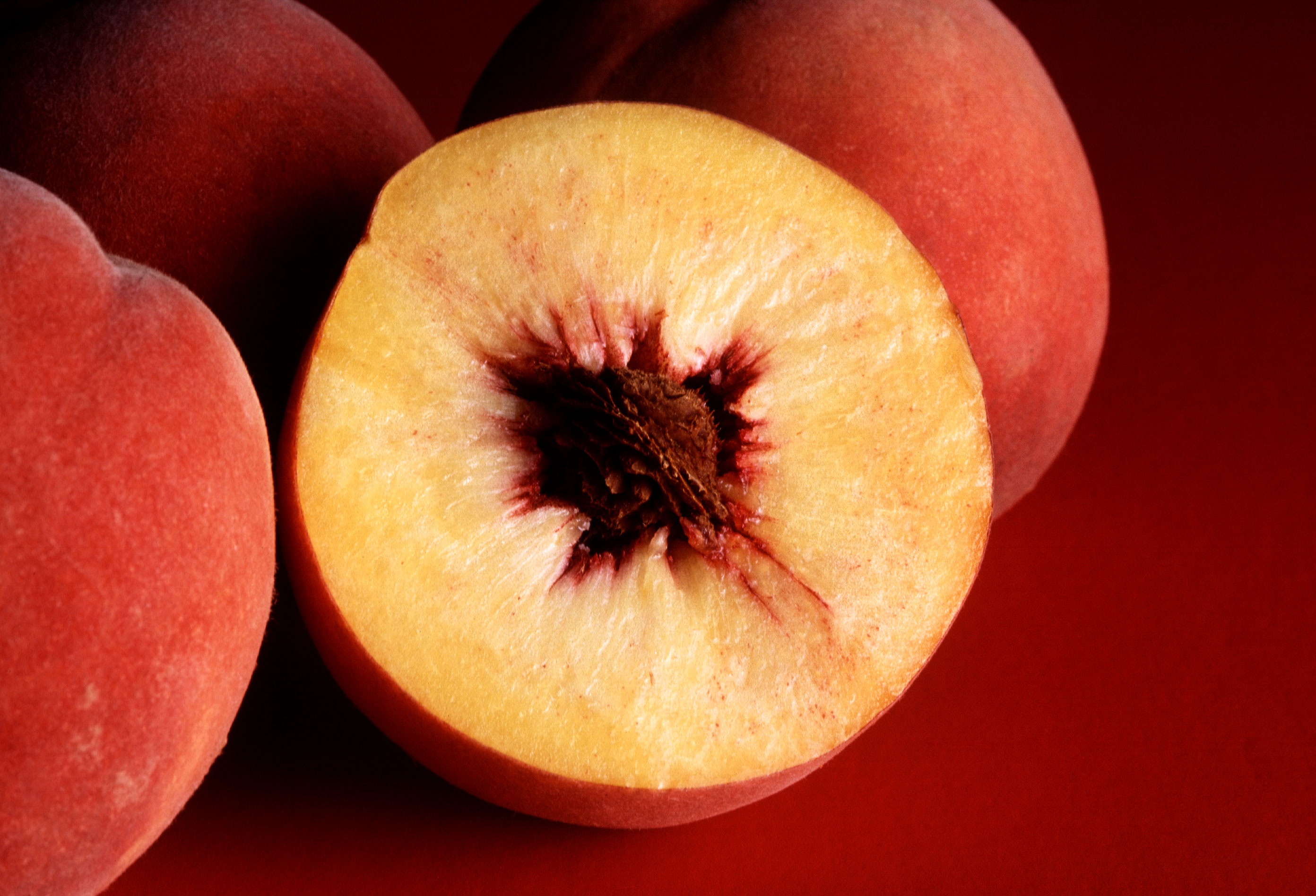
And I am so thankful that my parents had a ginormous crate of peaches that they were willing to share! We made a drive by the homestead, and swiped about twenty peaches, since they are verging on ripeness! So, this week - it's peach recipes!Wednesday, June 23, 2010
President's Cancer Panel Recommendations
1. It is vitally important to recognize that children are far more susceptible to damage from environmental carcinogens and endocrine-disrupting compounds than adults. To the extent possible, parents and child care providers should choose foods, house and garden products, play spaces, toys, medicines, and medical tests that will minimize children’s exposure to toxics. Ideally, both mothers and fathers should avoid exposure to endocrine-disrupting chemicals and known or suspected carcinogens prior to a child’s conception and throughout pregnancy and early life, when risk of damage is greatest.
2. Individuals and families have many opportunities to reduce or eliminate chemical exposures. For example:
- Family exposure to numerous occupational chemicals can be reduced by removing shoes before entering the home and washing work clothes separately from the other family laundry. (plus, taking off shoes is helpful for keeping your carpet in good shape - and lets your feet stretch and breathe, like they were made to do!)
- Filtering home tap or well water can decrease exposure to numerous known or suspected carcinogens and endocrine-disrupting chemicals. Unless the home water source is known to be contaminated, it is preferable to use filtered tap water instead of commercially bottled water.
- Storing and carrying water in stainless steel, glass, or BPA- and phthalate-free containers will reduce exposure to endocrine-disrupting and other chemicals that may leach into water from plastics. This action also will decrease the need for plastic bottles, the manufacture of which produces toxic by-products, and reduce the need to dispose of and recycle plastic bottles. Similarly, microwaving food and beverages in ceramic or glass instead of plastic containers will reduce exposure to endocrine-disrupting chemicals that may leach into food when containers are heated.
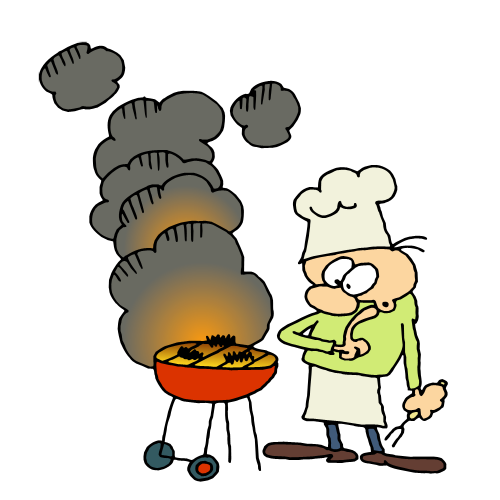
Exposure to pesticides can be decreased by choosing, to the extent possible, food grown without pesticides or chemical fertilizers and washing conventionally grown produce to remove residues (Yay organics!! Though watch out - Big Organic may not be quite as good as we hope. Try to do what local shopping you can! Recently genetically modified alfalfa seeds of Monsanto's were permitting to be labeled "Organic." Grrr... don't get me started on that one!) Similarly, exposure to antibiotics, growth hormones, and toxic run-off from livestock feed lots can be minimized by eating free-range meat raised without these medications if it is available. Avoiding or minimizing consumption of processed, charred, and well-done meats will reduce exposure to carcinogenic heterocyclic amines and polyaromatic hydrocarbons (siiigh, sorry all - be careful with that grill this summer season! That char is being linked more and more to possible cancerous effects. So, at least side your grilled foods with a nice big salad or green smoothie, or other big source of veggies to give you a big natural dose of antioxidants, too!)- Individuals can consult information sources such as the Household Products Database to help them make informed decisions about the products they buy and use.
- Properly disposing of pharmaceuticals, household chemicals, paints, and other materials will minimize drinking water and soil contamination. Individuals also can choose products made with non-toxic substances or environmentally safe chemicals. Similarly, reducing or ceasing landscaping pesticide and fertilizer use will help keep these chemicals from contaminating drinking water supplies.
- Turning off lights and electrical devices when not in use reduces exposure to petroleum combustion by-products because doing so reduces the need for electricity, much of which is generated using fossil fuels. Driving a fuel-efficient car, biking or walking when possible, or using public transportation also cuts the amount of toxic auto exhaust in the air.
- Individuals can reduce or eliminate exposure to secondhand tobacco smoke in the home, auto, and public places. Most counseling and medications to help smokers quit are covered by health insurance or available at little or no cost. (Don't you just looooove walking outside in the beauty of nature, only to suddenly pause and, *sniff, sniff* is that someone SMOKING outside!? Mixing their toxins with my FRESH AIR?!)
7. Each person can become an active voice in his or her community. To a greater extent than many realize, individuals have the power to affect public policy by letting policymakers know that they strongly support environmental cancer research and measures that will reduce or remove from the environment toxics that are known or suspected carcinogens or endocrine-disrupting chemicals. Individuals also can influence industry by selecting non-toxic products and, where these do not exist, communicating with manufacturers and trade organizations about their desire for safer products (You vote with your credit card, too. The more you buy healthier options, the more the stores realize they need to keep stock! Your voice DOES matter. So let your cash be heard!) :)
Friday, June 11, 2010
The Dirty Dozen Revisited
I have a lecture to give later this month that will touch on organics, and as I was researching all the fun pesticide information, I discovered that the Dirty Dozen list has been updated! With new farming practices and spray-resistant bugs, chemical use has altered some.
So step down, peaches - you are no longer the worst produce for us! (still number two... but hey, it ain't the gold!) The new dirty culprit? Well, if you're making my good ol' Fire Ants on A Log, let's just say - get organic celery!
These top twelve worst produce items can contain as many as 47 to 67 different pesticides per serving! Yikes! So, again - opt for organic versions of these items, and even then - rinse them off well! Different pesticides have been linked to a variety of health problems, including:
- Nervous system toxicity
- Cancer
- Hormone system effects
- Skin, eye and lung irritation
Dirty Dozen:
- Celery
- Peaches
- Strawberries
- Apples
- Blueberries
- Nectarines
- Bell Peppers
- Spinach
- Kale
- Cherries
- Potatoes
- Grapes (Imported)
- Onions
- Avocado
- Sweet Corn
- Pineapple
- Mangos
- Sweet Peas
- Asparagus
- Kiwi
- Cabbage
- Eggplant
- Cantaloupe
- Watermelon
- Grapefruit
- Sweet Potato
- Honeydew Melon
The Environmental Working Group will send you a little clip-on list that you can attach to your purse or shopping bag here if you donate $10. I think they are a company worth supporting; but you can also just get the free download from that same link, print out a copy of the list, and put it in your wallet! It's a good resource!
And if you shop at a local Farmers' Market, just ask the farmer about their chemical practice. Remember, it is pricey to get official Organic certification - many small farms are organic and safe, they just didn't shell out the big bucks to go through certification.
Have a great evening!
~Katie
Sunday, May 30, 2010
Natural Sun Protection?
(pic courtesy of David Besa)As the sun starts a'beating down, many of us dream of some good, relaxing sun-filled afternoons! And the media pelts us with two sides of the issue: sunscreen.
One side proclaims that we need to let the sun come! Many people are deficient in Vitamin D, and the sun is a way to naturally trigger your body's production.
On the other side, too much sun may put you at risk for skin cancer.
What, oh what, is a person to do?
Eat tomatoes, of course!
*Huh? *
Several studies have been done looking at protecting the skin via diet, and what components may offer protection. Antioxidants are, of course, an important component in health, maintaining skin integrity and cell health - keeping you healthy and younger looking. But some studies are looking more specifically than that.
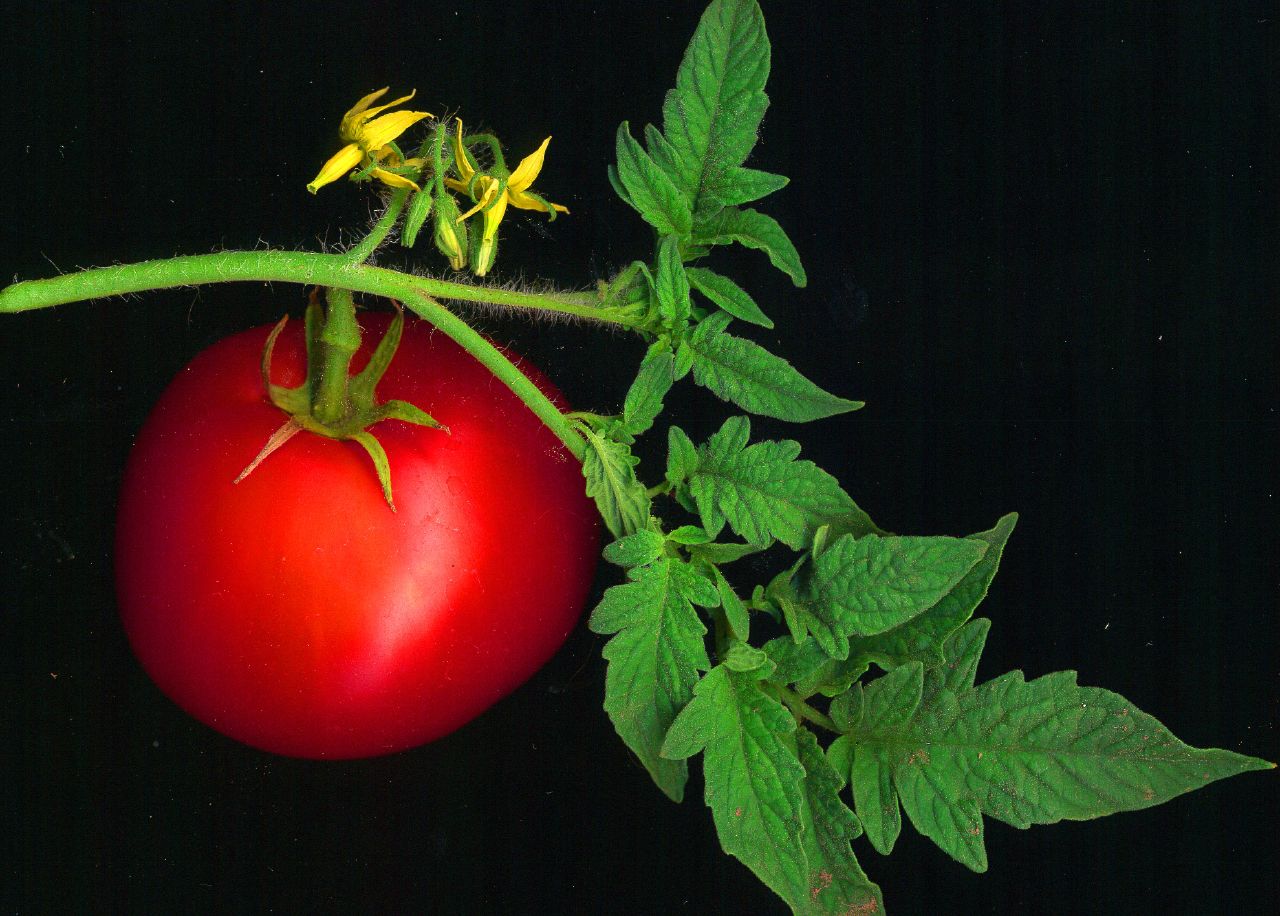
One study had participants eat tomato paste daily for 4 or 10 weeks, and saw less erythema, or reddening of the skin when exposed to UV light in BOTH groups. Yup, less propensity towards burning by 35%! Nice!

You probably don’t need to be slurping paste – they were using that in their study, but they noticed higher levels of serum lycopene and total carotenoids in the skin – things that you can raise through any form of tomato intake (the deeper the red, the better), and pushing some of your other orange foods too – like carrots and squash! If you go with ketchup – a staple during the wonderful grilling season! – see if you can find Organic. It has been found to far surpass conventional ketchup for lycopene content.
Whichever form, DO try to combine it with a little bit of healthy fat as this will help you absorb more of the fat-soluble carotenoids. In fact! Selenium, a mineral found in Brazil nuts, has ALSO been shown to have sun-protective effects!
At the University of Dundee in Scotland, another study was done looking at phytochemicals as protectors. They were looking at phytochemicals with fun ‘n’ fancy names like alkaloids, flavonoids, carotnoids, and isothiocyanates. “These phytochemicals have been consumed by humans for many centuries as part of plant-rich diets and are presumed to be of low toxicity, an essential requirement for a chemoprotective agent. Mechanistically, they affect multiple signalling pathways and protect against UV radiation-inflicted damage by their ability to act as direct and indirect antioxidants, as well as anti-inflammatory and immunomodulatory agents.” So some of their excitement is in the fact these are all plant-based components – which means more natural and pretty darn hard to overdose on! (Now don’t any of you run off and drink 5 straight gallons of tomato juice just to prove I’m wrong! BALANCED EATING, my dear! You CAN overdose on water too – just so ya’ll know that NOTHING should be over consumed!)
So in the study, they turn to produce for these phytochemicals. Cool bonus? Unlike sunscreen, which – in blocking your skin from the UV light – blocks your body’s ability to synthesize much-needed vitamin D, protection from foods “is comprehensive, long-lasting, and unlikely to cause pro-oxidant effects or interfere with the synthesis of vitamin D.”
There are a slew of other foods that can also offer you protection from the potential damage caused by UV sunlight: raspberries and blueberries, cherries, and citrus all contain various health properties. Green tea and its epigallocatechins block damage. So keep up with your fresh food – you never know when another study will come out showing other benefits to produce!
So, rather than slathering yourself with chemical-packed sunscreens (and your skin - your largest organ - just loooves to absorb things that are rubbed on it!) make sure you're keeping a good, steady supply of lycopene- and carotenoid-rich foods in your daily consumption even before beach-season!
Well, ok, not too rich - if your skin starts getting slightly red-orange even before hitting the beach, you may have had more than ya need! But don't worry – “lycopenodermia,” when your skin takes on a deep orange discoloration, is a harmless, reversible coloring that lessens if you cut back on your lycopene intake.
Of course, always remember - YOU know YOU best! If you have fair skin, weight the cost/benefits of diet and sunscreen. Perhaps with some precautions, you can just use less or lower powered sunscreen, for example – and less chemically-hazardous ones. Burnt-dead skin is not a pleasant feeling!
So later, I’ll post a little bit about picking a sunblock should you choose one. Just in time for Memorial weekend!
Have an amazing evening and wonderful Memorial Day!
~Katie
Thursday, May 27, 2010
Easy Omega-Rich Apple Snack
That's not water surrounding the pod - that's a gel formed on the seed! Alien pods!!!
And flax is pretty cheap! At my Kroger, I can get it at $1.99 per pound. And they’re light little buggers! You can get them golden yellow or a richer brown – I don’t notice a taste difference. Both have a slightly earthy, nutty flavor.
So enjoy either chia or flax seeds. Or, as I do, enjoy both!
Whichever seed, you’re getting a serving of goodness and a much healthier snack than something like potato chips or Nutter Butters!
Omega-away!
~Katie
Wednesday, May 19, 2010
Sunny Apple Trail Mix Cereal
This morning I tried another apple recipe – basically a hodge-podge of stuff tossed together to make a cereal. It reminded me of trail mix, with so much variety and simplicity! But healthy and so filling! A great combination. And I love when recipes are flexible – who wants to strictly follow a recipe, then find out their missing an ingredient? Or take the time to measure everything out? Not with this! Simple guesstimations, my friend – and it all worked out! Sunny Apple Trail Mix Cereal:
½ apple, diced
¼ cup oatmeal (I prefer using soaked steel-cut oat groats, but I was out :( I’ll post on that later – why I think they are healthier for you!)
Small handful of sunflower seeds - 2 Tbs? (These are amazing sources of the anti-inflammatory antioxidant vitamin E as well as Magnesium for nerves and muscles, Selenium for healthy cell integrity and cancer prevention, and the B vitamin Thiamin for heart function and efficiency of energy supplies. Of commonly eaten nuts and seeds, sunflower seeds have the highest concentration of phytosterols, which may help lower cholesterol.)
Small handful of almonds - 2 Tbs? (Almonds help control the rate the sugars enter your blood stream – nice and easy, baby! Like sunflower seeds, they are a good source of Vitamin E and magnesium; but these guys also contain a good dose of manganese, tryptophan, copper, B2 riboflavin, and phosphorus – all important to balance health.)
Small handful of organic raisins -1/4 cup? (A sugary food, so use in moderation. But they have their place. Raisins contain some of the trace mineral, Boron, which is needed for healthy bone formation. Some studies are finding boron to protect postmenopausal woman from osteoporosis.)
A drizzle of agave - 2 tsp?
A dusting of Cinnamon -1 tbs? (You may know by now that I love this spice! A good blood sugar regulator; and oh so yummy in my book!)
Toss it all together, and top with your choice of milk! Remember – if you pick to drink dairy or soy, PLEASE go organic! I used coconut milk today.
I got about halfway through my bowl (enjoying every bite) when I realized that trail mix usually has chocolate chips in it. Well, I didn’t want to go tainting my organic and natural breakfast with chemicals and sugar, so I instead grabbed my bag of organic cacao powder, and sprinkled some of that on top! Yum! Just a slight hint of chocolate to balance the nuts and fruit, and another little ninja kick of antioxidant power! Hiya!
Another addition I threw in as I went: chopped up a banana. Hooray for extra potassium!
So enjoy mixing and matching fruits and nuts; try different spices or milk types. Loads of simple breakfasts here!
So see what you can do – try to break away from all that processed, sugary stuff that's harsh on your body and health: pop tarts, sugary cereals, pastries… get yourself some good, natural energy to start off your day!! (The green smoothies are great, too! But… without my blender, I’m looking to other power-packed foods to get me going.)
Have fun!
~Katie
Monday, May 17, 2010
Green Thumb?
Saturday, May 15, 2010
Apple Week!
Thursday, April 29, 2010
Season's Eatings! Farmers Markets and Freshness
~Katie
Thursday, April 15, 2010
Organic Ownership Tree
Cornucopia.org has created this cheat-sheet to show you who owns whom when it comes to organic products. I always find it intersting to know who I'm supporting!
When it comes to food - your credit card or cash is your vote as to what types of foods you want. It's your way of getting your voice heard if you care about organics or fair treatment of animals. Tuesday, April 13, 2010
I got busy!

Get outside and get some clean air! ...if you can find it ;-)
Thursday, March 18, 2010
God's Pharmacy - The Carrot
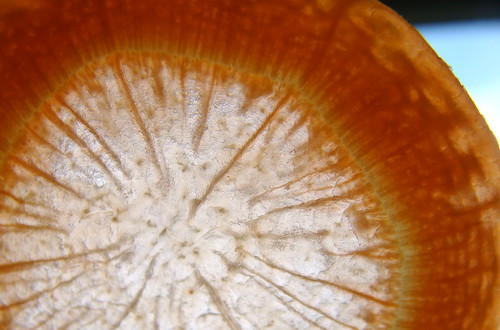
Here's what the email says about the mighty carrot: "A sliced Carrot resembles the human eye including the pupil, iris, and radiating lines. Science indicates that carrots help protect the vision, especially night vision." Pretty cool, huh? Plus beta-carotene's powerful antioxidant actions help provide protection against macular degeneration and the development of age-related cataracts.
*Or, if savory isn't your thing and you prefer sweet - soak with a cinnamon stick, some raisins and/or apples, cloves, and a drizzle of honey.
*Juice it, baby! Then run the pulp through the juicer another time or two to make sure it's good and juiced. Save the pulp (it freezes well) and use it for other recipes! I like to juice a blend of carrot and orange personally! Get a nice mix of sweet and savory.
xoxox