Showing posts with label whole grain. Show all posts

Friday, July 23, 2010

Wrap It Up, Raw Style!

Hello, lovely people! The week is finally over, and it is time to relax with the family!

But I posted about sprouting/soaking grains, and wanted to share my experiment! So here it is... TADA!!!
My first attempt with soaked wild rice - it required soaking for 2-3 days. That may sound like a lot of work, but it was really easy! Just filled up a glass container with water and rice, then rinsed it 2-3 times each day and refilled with clean water. By the third day, it was soft and chewy! Granted, not as soft as if it had been cooked, but I actually found I liked the heartier texture!

So, after that was ready, I added in some raw corn (corn is really important to get organic!), some black beans (those were cooked), diced in tomato, and seasonings! And we were all ready for Veggie Wraps Raw Style! (...if you ignore the cheese and salsa that Dave wanted!) ;-)

This was such a nice picnic dinner! We just set the tray on the floor, popped in a movie, and wrapped the rice blend in the Romaine leaves! Admittedly, it was a little messy, but hey - living messy can be living fun!!!

This is definitely a recipe I will want to repeat! If you don't count the prep-time of the rice (since that's really not labor intensive) I pulled this thing together in all of 5 to 10 minutes, and got such a healthy, hearty meal from it!

Veggie Wraps Raw Style
2 c. wild rice, soaked 2-3 days
1 ear organic corn
1 tomato, diced
1/2 can black beans, drained and rinsed
seasonings as desired - experiment with what you like! Cumin, cilantro, cayenne, sea salt...
4-6 Romaine leaves
Optional: get some healthy fats from diced avocado; get a bonus health boost with minced garlic; add some spice and color with raw red onion; try other leaves like collards or dinosaur kale for a deeper green wrap; and mostly... HAVE FUN EXPERIMENTING!!
Cut the corn off the ear, add it to the rice. Then add in the diced tomato, the beans, and seasonings. Scoop into a Romaine leaf, wrap as best you can, and enjoy with napkins nearby!

(Traditional Wild Rice Harvesting)


A USDA review of the health benefits of wild rice states "Nutritionally, wild rice has several attributes that set it aside from many other cereals. Wild rice has a higher protein content than most cereals. Also, for a cereal, it has an adequate balance of the essential amino acids." (cereals being oats, wheats, other rices, and corn.)

It has about twice the protein as brown rice (almost 24g per cup if eaten raw!) and, while not a high-fat item, wild rice does contain a little bit of the wonderful Omega-6 essential fatty acid, linoleic acid! And, other than calcium, wild rice has more nutrients that brown rice regarding iron, magnesium, potassium, phosphorous, zinc, and the B vitamins thiamine, riboflavin, and niacin!

I am not saying all that to bash brown rice! Brown rice is a still a healthy option with its own benefits over wild rice! I am just trying to motivate you to try something new, if you haven't yet! :)

So have a wonderful weekend, and go try something new!

~Katie

Wednesday, July 21, 2010

Wednesday Words: Whole Grains 201 - Sprouting!

Hello, class! Welcom back to your finally Whole Grains class! (For now... who knows when more fun information will pop up!) I know you've been rivited waiting for this! :-P
Pop quiz:

1. What are the three edible parts of a grain?

2. What are the two power-packed parts that are usually reduced or removed when processing for refined, white flour products?

3. What should the first ingredient be when choosing a Whole Grain? What should it NOT be?

4. What types of oats should you avoid due to sugars and other additives?

5. You're not actually planning to write out answers to these, are you?

I hope maybe you can recall at least a few of those answers! But if not...

1) bran, germ, endosperm
2) brand, germ
3) "whole" ___ (wheat flour, oat flour, etc) not "Refined" or "enriched"
4) flavored instant oats! (Oat groats are the least processed, followed by steal-cut, then you get into your rolled oats and quick-cookers. These are all healthy!)
5) probably not ;-)


So on to sprouting!

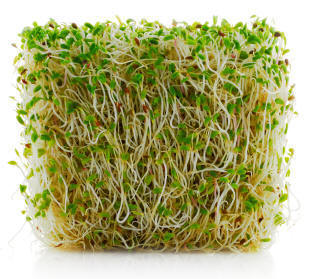
Sprouting seeds and grains for nutrition is a concept I only came across in the last year or so, when I was studying different type of diets. Raw foodists will not cook food, so when it comes to grains, they will often soak them to the point that the little germ begins to grow a tail! It sprouts! (Remember, the germ is the baby seed within the kernel that can grow another plant!) The theory is that is has all this awesome nutritional power locked in that seed - after all, it has to grown another plant! (Though usually, you grown your seed in nutrient-rich soil, so, sometimes foodies grow their sprouts in little trays of soil - but that's more intensive.)

Remember the ol' school days when you took a sunflower seed, laid it on a damp papertowel, then pressed it against a clear cup so you could see it? Eventually, it began to sprout and grow a sunflower! It's the same concept - using water to begin the growth process of the plant, since the seed has growth-inhibitors on it allowing it to remain dormant until it is time to stretch and grow! However, in sprouting, instead of letting the seed fully grow into a new plant, once the tail has grown a bit (anywhere from a few centimeters to a few inches) people will eat them! They may be added to salads, sandwiches, wraps, smoothies...

Now, since at first I had only seen raw foodists promoting sprouting (and sometimes over promoting as some magical cure-all...) I was skeptical. I have bought broccoli sprouts from the store now and then just for variety on my salads. But I finally found a site that convinced me to give it a more serious look. The Whole Grain Counsel has a page on sprouting, and the science and research behind it. Nice! Of course, there are also some studies saying there is no benefit... who do you believe? The jury is still out, sadly. But, hey, maybe give it a try yourself and just see what you think!

You can sprout your own grains, but for now, I just wanted to share about products made from sprouted grains. (I know, I know - I usually say to try to limit processed foods - but unless you want me to get into the details of the sprout-it-yourself process, this is a more convenient option for now!)

The fisrt brand I heard of was Ezekiel Breads, and also Genesis Breads - and they fanned out beyond just breads into tortillas, English muffins, ground flours, and other grain products! (I am not specifically endoring those brands above others - they are just the two I have seen in my store. Look around! Experiment! Try something new!) They are usually stored in the freezer section of stores, and do tend to cost more. I go through them slowly, so I don't mind it now and then as a treat! I also like them for the flavor - they get some good hearty flavors iwth pumpkin seeds, sunflower seeds, and other wonderful nutty additions!


So, the Whole Grains Counsel has a page on sprouted products, and here are some key points form it:

-some people find these products easier to digest since the enzymes have helped begin the process of breaking down the large-chain carbohydrate molecules
-increase the amount and bio-availability (ease for your body to use) some vitamins
-increases many of the grains' key nutrients, including B vitamins, vitamin C, folate, fiber, and essential amino acids often lacking in grains, such as lysine
-may also be less allergenic to those with grain protein sensitivities
-sprouted brown rice fights diabetes, reduces cardiovascular risk
-sprouted buckwheat protects against fatty liver disease.
-sprouted barley decreases blood pressure

So hopefully research will continue in this area, but the outlook is promising! I have actually been soaking some wild rice for the last few days, and hope to try a new recipe with that tonight! I'll keep ya posted on that!

Allrighty then! That's it for whole grains! There's the bell; time for lunch; class dismissed!

~Katie

Wednesday, July 14, 2010

Whole Grains 103 - Oats

Hello, hello, and welcome back, my dear students! Welcome to the last of three posts on Whole Grains! Unless, of course, you count the post on sprouted grains... but that's more a bonus material post! Sorry for the delay (I'm sure you were all just so rivetted to your chairs about this...)

So, did you do your homework and check that you're getting the true whole grain breads??


Today we'll look at oats - they, too, are a type of whole grain! So, without further ado, here are the different forms of oats, and what it means:

Oat Bran: like discussed before, this would be the bran - or outter layer - of the oat kernel. This is sometimes removed for certain forms of oats; but often left in tact for rolled and steel cut oats.

Oat Flour: finley ground oats, often mixed with standard wheat flour, used for baking.

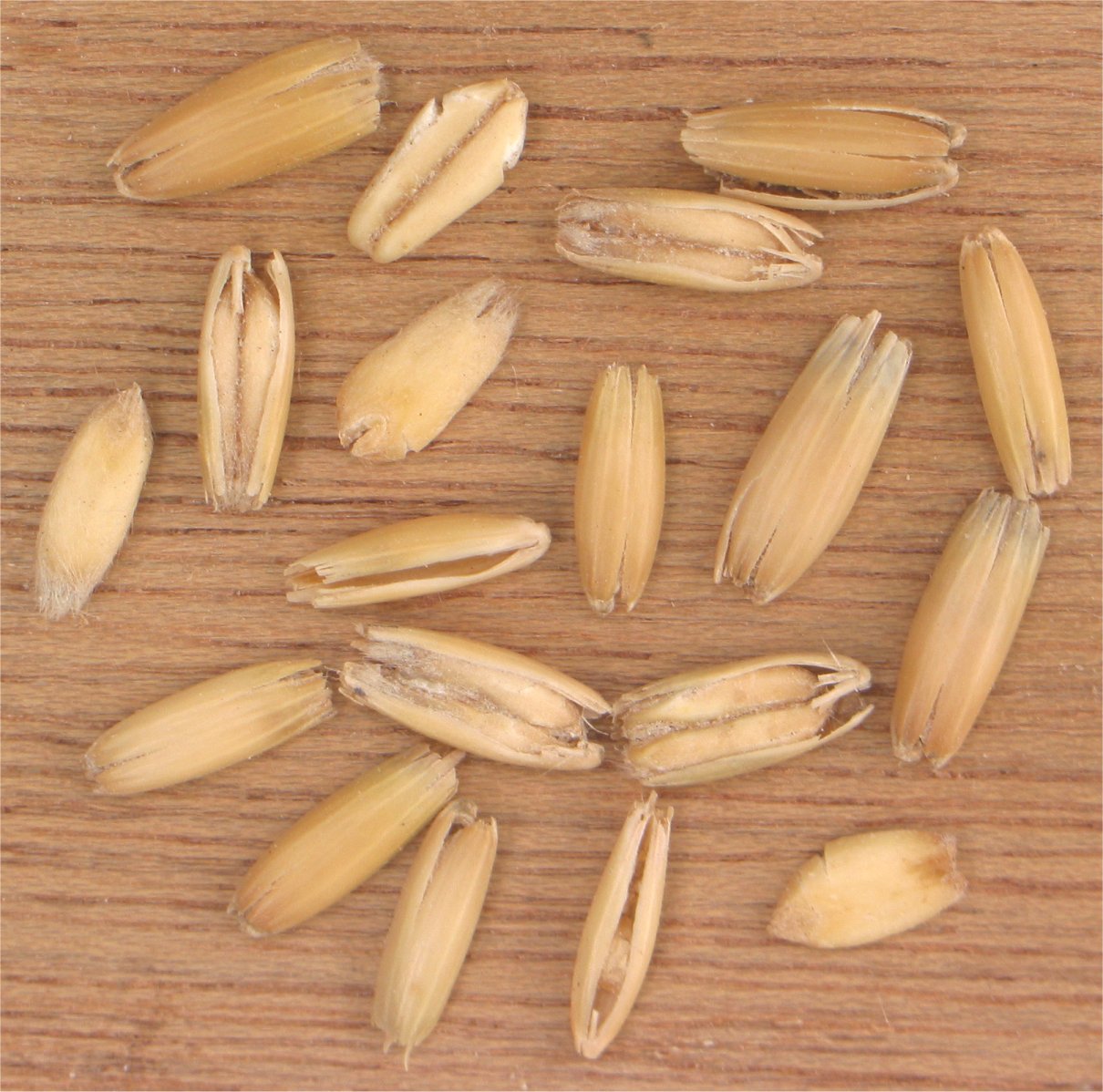
Oat Groats: the least processed form of oats - the kernel is left in tact. This makes it a tougher texture; you may want to soak groats before using in order to soften.

Steel-Cut Oats: Oat groats that have been run through blades (of steel, of course) to make them more thinly sliced.

Old-Fashioned/Rolled Oats: groats that have been steamed and then flattened with a roller.

Quick-Cooking Oats: groats that have not only been steamed and flattened, but also cut into smaller pieces for quicker cooking.

Instant Oatmeal: Groats that have been cut, steamed, and rolled, and often slightly pre-cooked.

So there you have it! The various types of oat forms! While the nutrient value of each probably is similar, there's just always a draw for me towards the least-processed form available. But all forms (except perhaps instant if they have extra sugars and colorings and funky dinosaur eggs added) will be rich in cholesterol-lowering fibers! So go dive in to a whole-grain-goodness bowl of oatmeal some time!

~Katie

Thursday, July 8, 2010

Peach Wrap

I love it when I can eat a dessert for a meal! And last night, I did just that! I needed to use some more of those luscious peaches that I have hanging around, and figured I'd try a wrap! So here's a simple recipe:

Peach Wrap (makes 2)
2 whole grain tortillas
4 Tbs Chocolate Fruit Dip
1 Peach
Handful nuts
Cinnamon to taste

So, I used a sprouted tortilla (again, I'll post on sprouting later), spread a little of yesterday's Chocolate Fruit Dip on it, layered on half the peach in slices, sprinkled with cinnamon and some nuts, and rolled away! You could also drizzle with honey for an extra sweet treat!

I tried it with almonds on one half, and macadamia nuts on the lower half. Honestly, I couldn't tell too much of a difference - they both added an enjoyable crunch! Either way, I got a good whole grain, some healthy fats, and some juicy fruit! Yummy To Go!


~Katie

Wednesday, June 16, 2010

Wednesday Words: Whole Grains 102


Welcome back, class, to Whole Grains 102! We will be continuing that exciting topic of making sure you’re getting what you want regarding whole grains! (And I’m really hoping that you WANT those whole grains, and opposed to refined “glorified sugar” versions on foods!)

I want to start off with the simple way to make sure that you ARE getting a good product – and then I’ll touch on the tricky ways companies market around it.

First, and easiest – with rice, you want brown rice. Simple! It’s brown because of that outer bran layer. The white rice has had that removed, and so reveals its naked white self. Scandalous! Put your bran on, little rice! You’re better that way!

Oats I will get in to next time.

For other items like pasta, tortillas, breads, and buns, the simple way to make sure your product is a whole grain is to check the ingredient list. The first product listed should include the word “whole.” “Whole grain flour,” “whole wheat flour,” “whole oat,” etc. Makes sense, doesn't it? You want Whole Grains, make sure it says is HAS Whole Grains!

The second thing to check is the fiber content. Look at the little nutrition label and make sure you’re getting at least 3 grams of fiber per serving.

Getting enough fiber is very important. Studies see a connection between high fiber diets and decreases in colon cancer, coronary heart disease, diabetes, and other diseases. Fiber is also critical for your natural cleansing process! It’ll push the junk on out of ya! And on the way out, it is helping prevent constipation, hemorrhoids (don’t strain!), diverticulosis, and it can even sweep out some cholesterol, helping to keep those numbers in check.

So, that’s pretty simple! Just look for “whole” ingredients, and 3g fiber!

I could stop there, but I want to point out a few marketing trickeries, so you are aware.

A wheat product isn’t the same as Whole Wheat or Whole Grain. As shown in the 101 posting, that entire kernel was a WHEAT kernel! So, even when that kernel is processed down and the good parts are removed, they can still call it Wheat Bread. But you’re smart enough to not be fooled by that now, aren't ya! You want the WHOLE grain – bran, germ, and all!

For those types of products, the ingredient list will show “enriched” in the first ingredient. Enriched white flour, enriched wheat flour, etc. And again, that enriching processes means that after refining the grain, they added back synthetic nutrients to replace the natural goodness that was lost, and in smaller amounts that originally present. Avoid these items.

Those products also usually contain little in the way of fiber – maybe having none at all! Usually I see a whopping 1 gram listed on those.

BONUS MATERIAL:
For you over-achievers out there, here’s a little side topic about a newer wheat product: What about those “white wheat” breads?


Honestly, I haven’t looked at them too much. My initial reaction was that they were just white bread, made with the empty parts of the wheat grain. But there may be more too it!
The Mayo Clinic says these are actually made with a different type of wheat. Traditional wheat products are made from Red wheat. But there is a strain of Albino wheat, and “white whole-wheat bread – like regular whole-wheat bread – is made with the whole grain” and retains the fiber and nutrients. It is a softer version, more like white bread, marketing to those who are not ready to adjust to the heartier, nuttier flavors and textures of traditional whole wheat breads

Sound too good to be true, oh White-bread lovers out there? It just may be.

In a USA Today article about this new type of bread, Marion Nestle (a favorite dietitian and author of mine!) is quoted as saying:

“Bread is flour, water, yeast, salt. Period. This [white wheat bread] has something like 20 other ingredients.... Why not buy your kids real bread?"

Evidentially, albino wheat is still treated with a long list of conditioners and chemicals to make sure it replicates that doughy, soft texture of white bread. If so, that would be a far step from natural!

I’ll have to check out albino wheat bread at the store sometime to see the ingredient list for sure, but for now… I’ll pass on the “white wheat.” Personally, I like sprouted bread, but that’s for the advanced Whole Grains 201 class in the future!

Your homework: check the ingredients and fiber on your breads, pastas, wraps, buns, and cereals! See what you're getting! :)

*bell rings*

Alright, folks, that's all for today! Have a Wonderful Wednesday!

~Katie

Wednesday, June 9, 2010

Wednesday Words: Whole Grains 101

Welcome, dear students, to the Whole Grains 101 class! You've heard the terms, you've seen the marketing, you've heard the media rant about WHOLE GRAINS and their benefits... but what does it mean, and why should you care?

Fun Facts to get started:

  • Wheat and grains were once considered the “Staff of Life”
  • They are still considered sacred in some parts of China
  • It is estimated that roughly 33% of the world’s population depends on wheat for food.

And now, on to the definitions and benefits!

The bottom line: a whole grain product is one that is made with all the edible parts of a kernel of grain - the whole sha-bang! The more processed the grain is, the more nutritional value lost, the more dead the food becomes.

Here's a picture that shows the various parts of the grain:


(Yes, that’s a wheat grain, but the concepts of whole grain will carry through the other varieties as well.)

The three edible parts of the grain are the Bran, the Germ, and the Endosperm.

Bran: The outer layer
This contains a lot of nutritional value. In this little shell, you can get protein, thiamin, riboflavin, potassium, niacin, vitamin B6, Iron, Magnesium, Phosphorous, Zinc, Copper, and Fiber. In fact, this is where the majority of the fiber of “whole grain” products will be found. Yes, lovely fiber – helpful for keeping your system regular, helping with cholesterol, and cleansing your intestinal tract. Good stuff! You can find Wheat Bran sold at some stores – just the rough, fiberous parts of the wheat! I still say go for the WHOLE grain, but if you need some extra fiber, that’s a viable option.

Germ: The baby seed
This is what would sprout a new plant if you were growing or sprouting your wheat. It is a concentrated source of nutrients – that little power house would have to fuel a whole new plant someday if it was planted! It is a complete protein source, and also carries other nutrients such as Thamin, Phosphorous, Zing, Manganese, Selenium, Vitamin B6, Folate, magnesium, Copper, and Fiber. The germ is a good source of vitamin E, and wonderful antioxidant to protect your body from toxic derivitaves created from damaged cells. Why would you want to give up all of that?! And, like Wheat Bran, you can find Wheat Germ sold in stores.

Endosperm: Also the “kernel”
This is the bulk of the seed’s volume, and it contains relatively little in the way of vitamins and minerals.
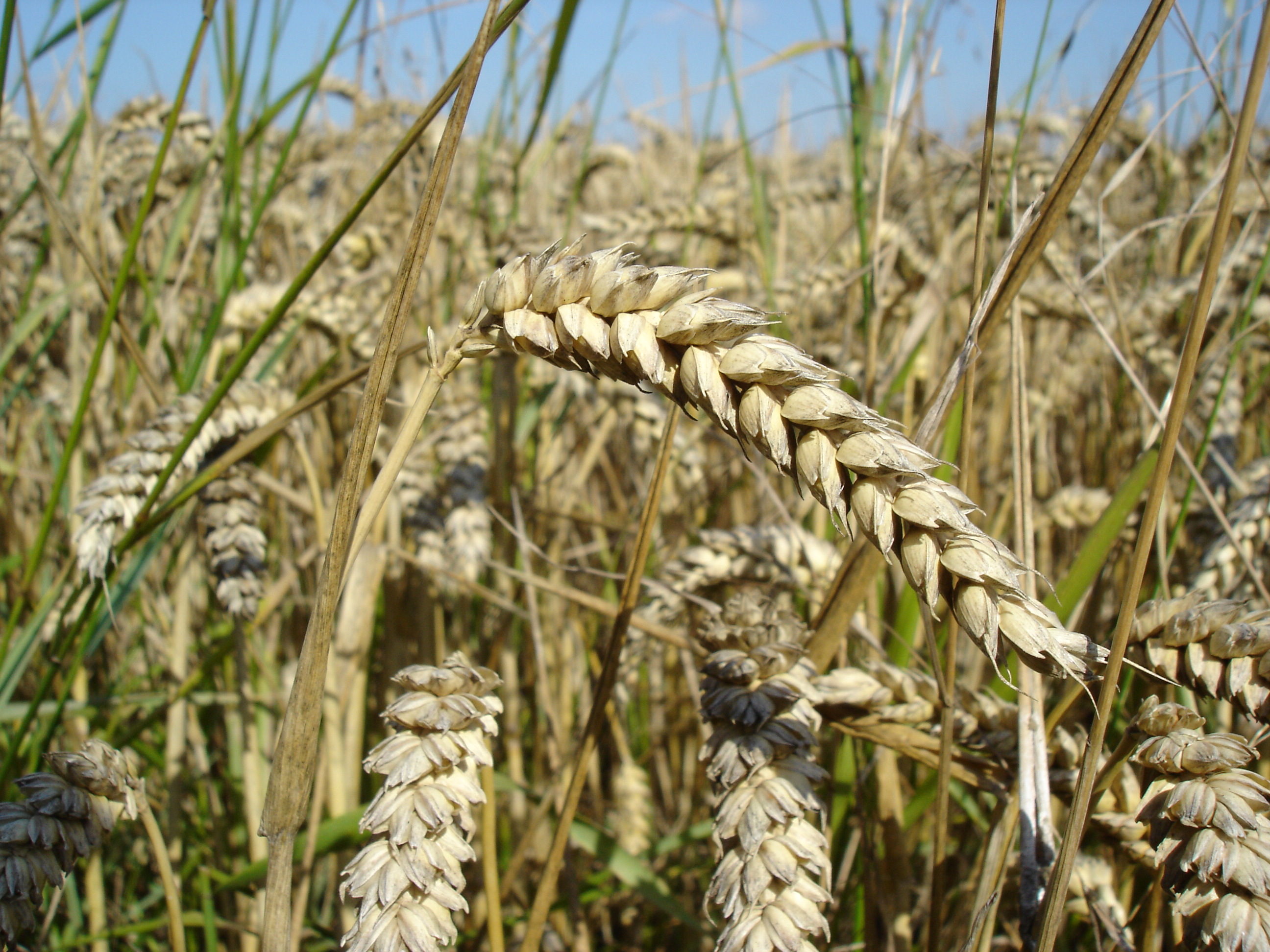
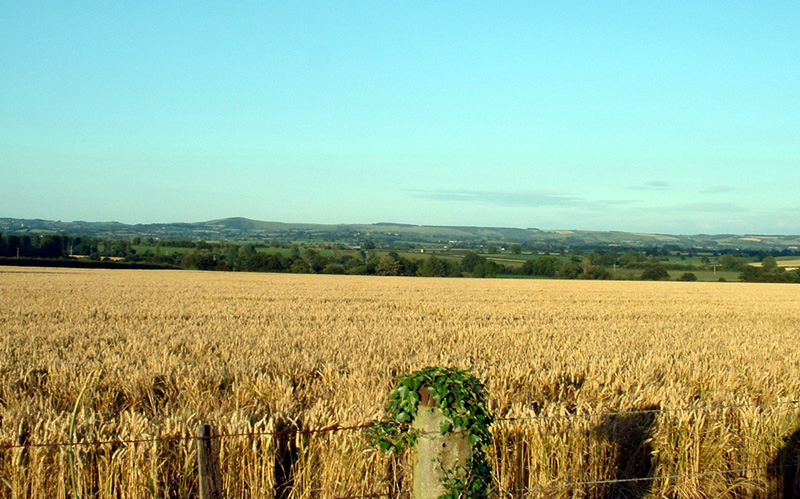
(A wheat field in Dorset, England. Photo courtesy of Joe D.)

So when you buy white grains – white pasta, white bread/buns/tortillas, white rice… it has had the bran removed, and probably the germ as well. What then, class, does that leave us?

Anyone? Anyone? Bueller?

The Endosperm! That low-nutrient left over part, where over half of the vitamin B1, B2, B3, E, folic acid, calcium, phosphorus, zinc, copper, iron, and fiber are lost. That is why the government began requiring grain companies to “enrich” their products in 1941 – they are adding back synthetic versions of the natural health that used to be there, but often in smaller amounts that what was in the original germ and bran. Is this as natural and bioavailable? The jury is still out…

Whole grains are a whole package! In addition to the multiple vitamin, minerals, and fiber stated above, studies are finding more health components: within the whole grain, antioxidants, lignans, phenolic acids, phytoestrogens, and other phytochemicals may help reduce the risk of heart disease, cancer, and diabetes.

The Whole Grains Counsel lists some of the commonly used whole grains. If you're bored with wheat and rice, or are gluten-sensitive, you may see some fun alternatives to try!

Amaranth, Barley, Buckwheat, Corn, Millet, Oats, Quinoa (prounounced KEEN-wah), Rice, Rye, Sorghum/Milo, Teff, Triticale, Wheat (spelt, emmer, farro, einkorn, Kamut, durum, bulgur, cracked wheat, wheatberries), and Wild Rice.


So that sums up the basics of Whole Grains 101!

Whole Grains 102 will cover how to tell if you’re getting a real whole grain. “Wheat bread” just may not be all that you think it is! And in 103, I’ll finally get back to that topic of oats – different types, and why I think oat groats and steel cut oats are worth looking into! And if you’re looking for an advanced class, I’ll be bringing you Whole Grains 201: Sprouting!

Any questions?

“Hallelujah, Amen, Class Dismissed!”

~Katie